
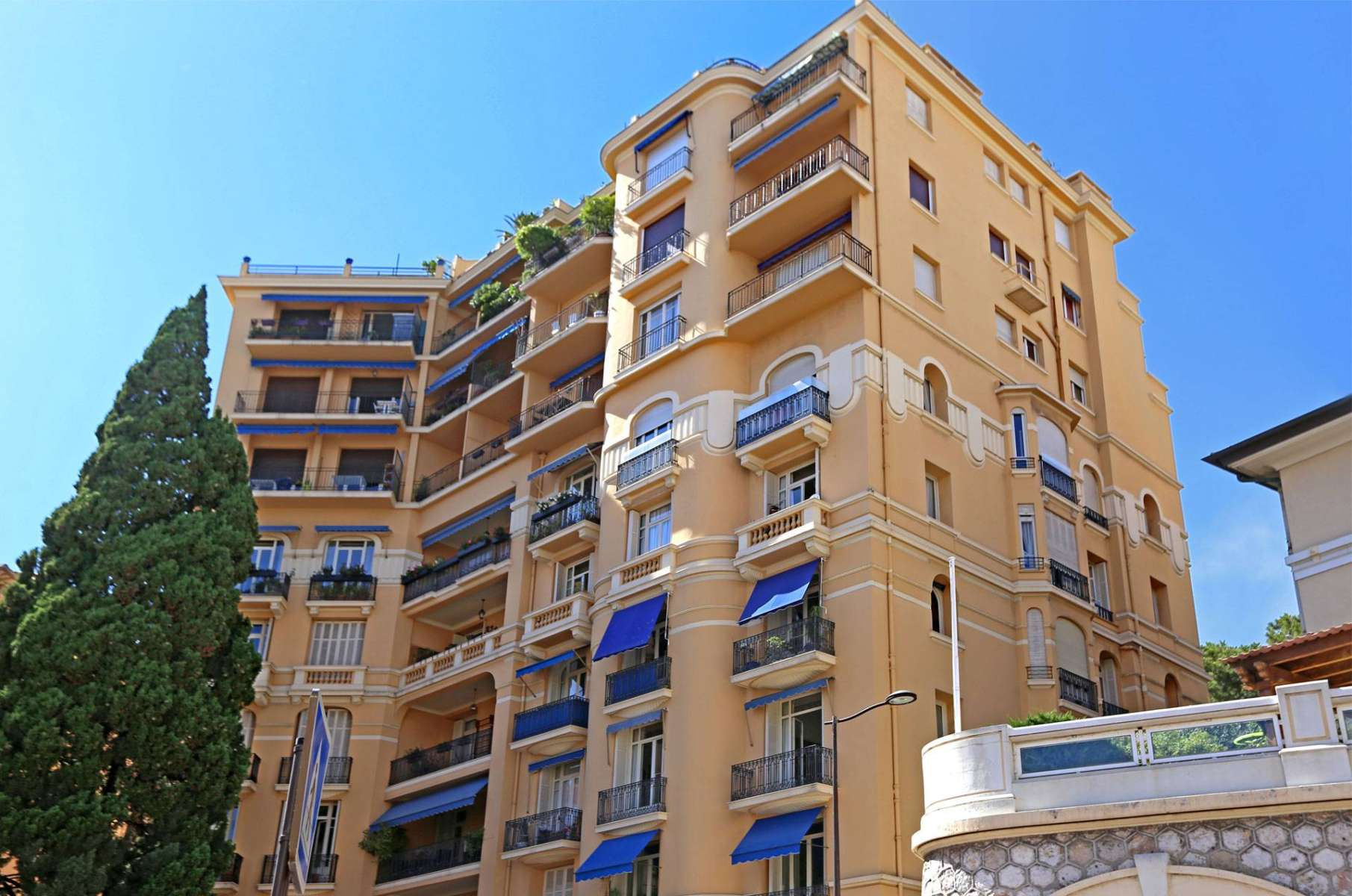
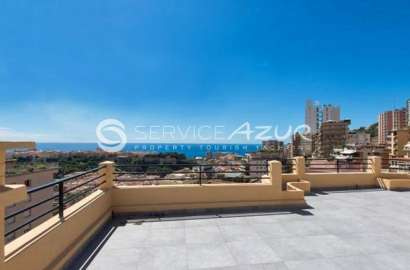
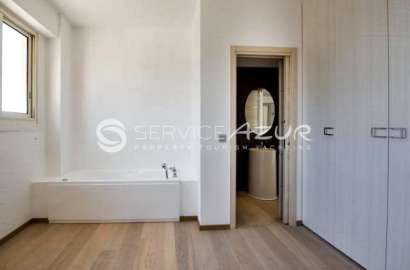
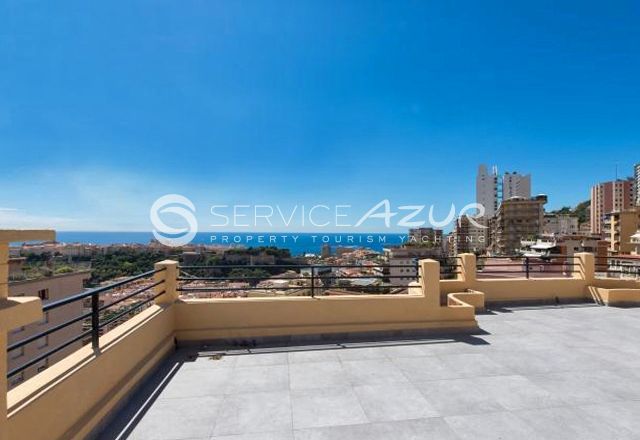
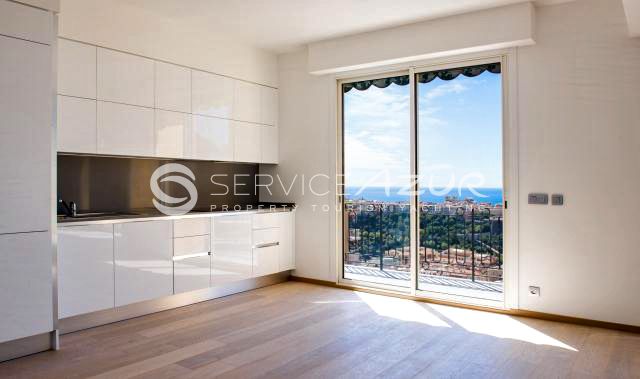
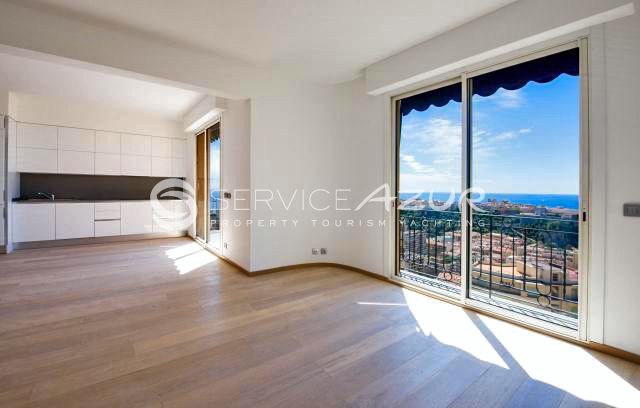
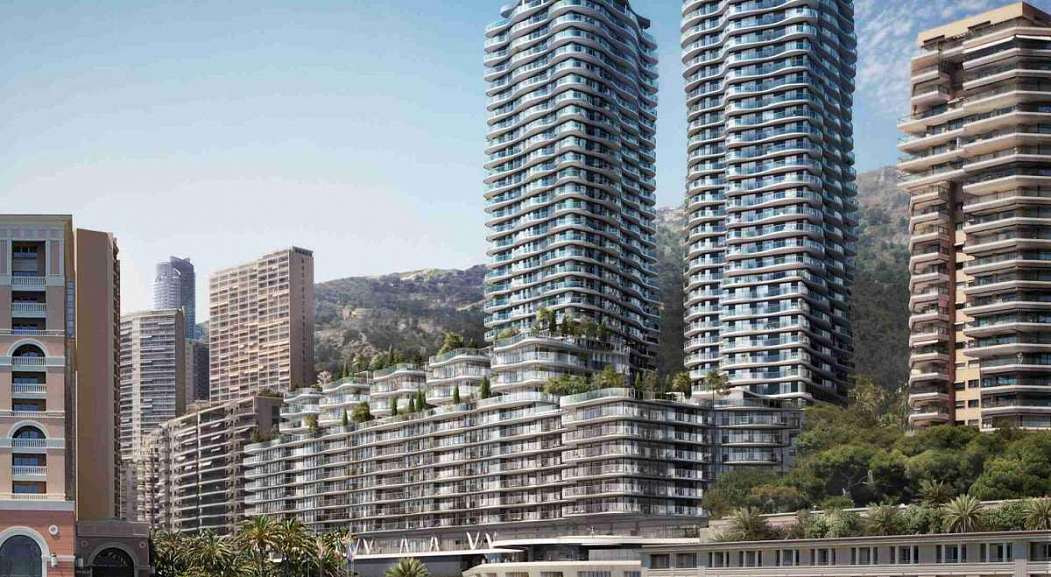
Penthouse with Rooftop Terrace and Sea View in Monaco - Ref 9009
12 800 000 €
4 photos
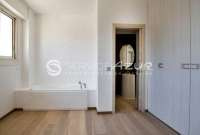
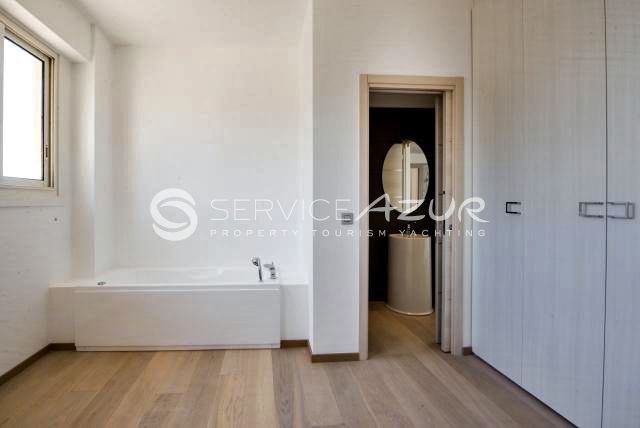
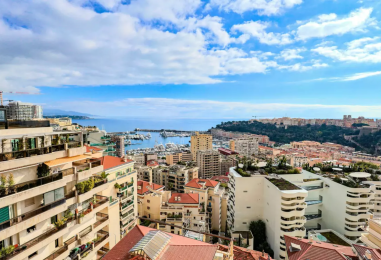
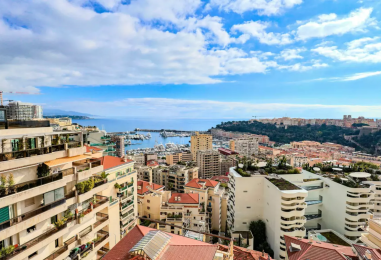
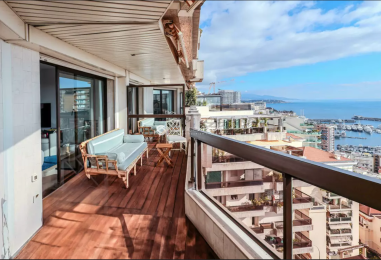
Penthouse with Rooftop Terrace and Sea View in Monaco
Description
Photos (4)
Calculator
EPC rating
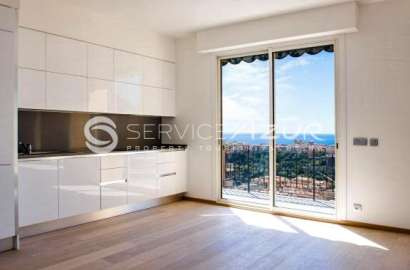
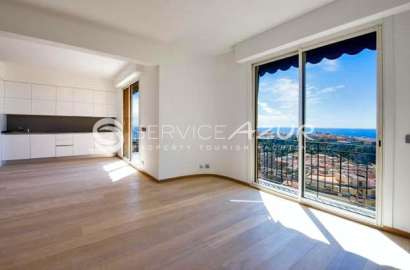
Show all photos
Asking price
12 800 000 €
Request details
Request details
Back
Close


Add to "My selection"
Added
Send to a friend
Print
Related properties
3 250 000 €

Ref 9062
1-bedroom Apartment in Monaco’s Golden Square District
Add to "My selection"
Added
View details
5 600 000 €

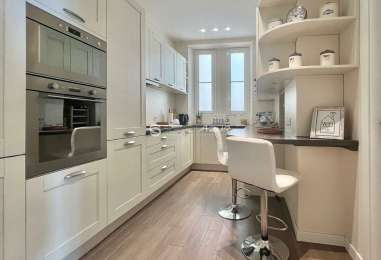
Ref 9061
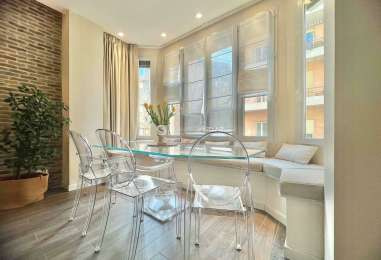
4-room Apartment in the Monte-Carlo District
Add to "My selection"
Added
View details
9 550 000 €
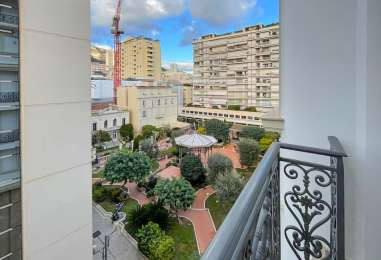
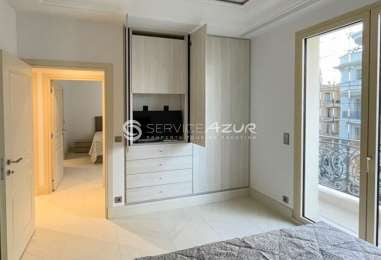
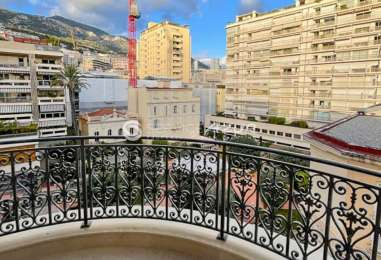
Ref 9058
Apartment in Villa Portofino residence in La Condamine district of Monaco
Add to "My selection"
Added
View details
2 720 000 €
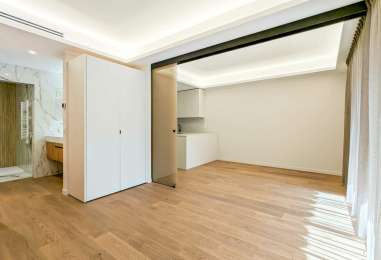
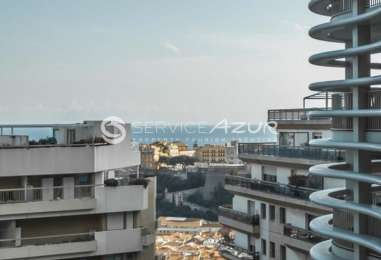
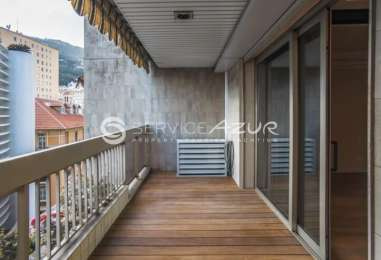
Ref 9056
Renovated 1-bedroom Apartment in Monaco Moneghetti District
Add to "My selection"
Added
View details
7 200 000 €
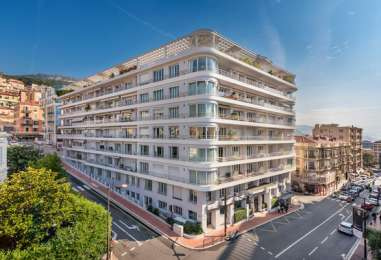
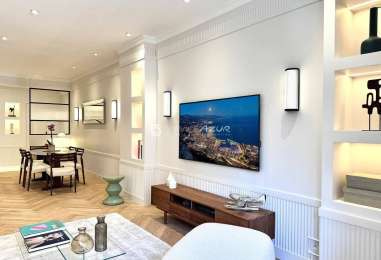

Ref 9055
Renovated Apartment in the Golden Square district of Monaco
Add to "My selection"
Added
View details
26 000 000 €
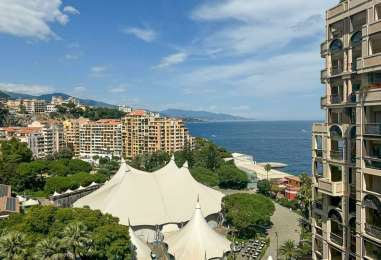
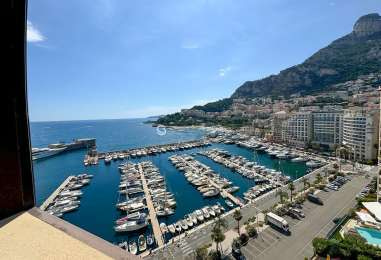
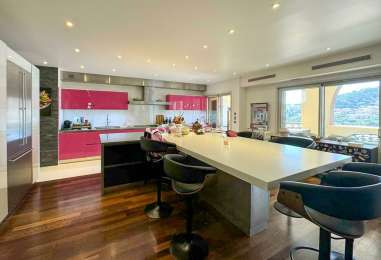
Ref 9022
Sea View Apartment in Monaco Fontvieille District
Add to "My selection"
Added
View details
4 600 000 €
1 230 000 €
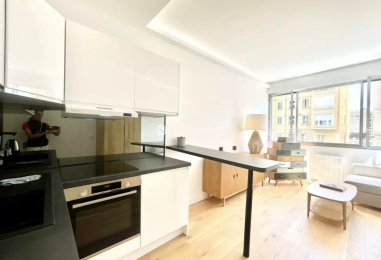
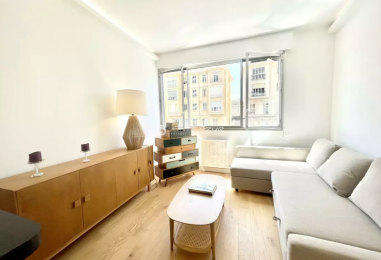
Ref 9008
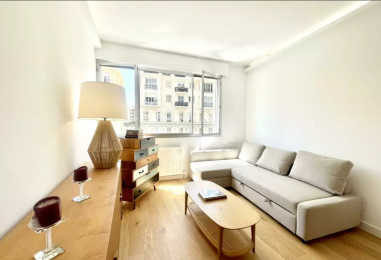
Studio Apartment in Monaco Château Périgord residence
Add to "My selection"
Added
View details
2 795 000 €
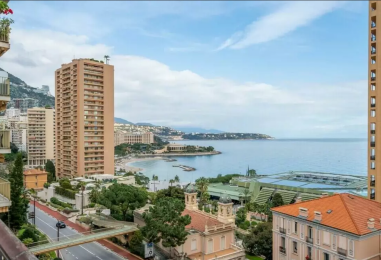
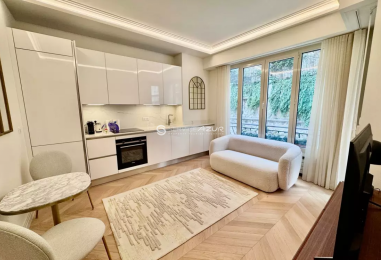
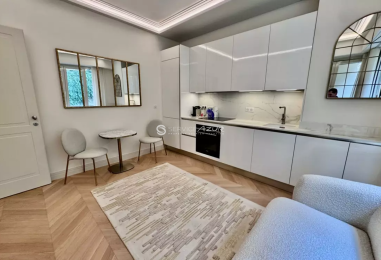
Ref 9045
Renovated 2-room apartment in Monaco Golden Square district
Add to "My selection"
Added
View details
3 100 000 €
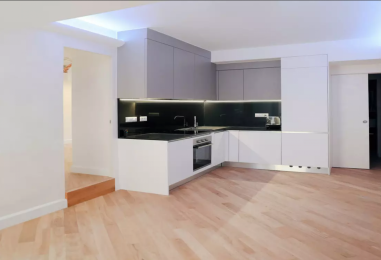
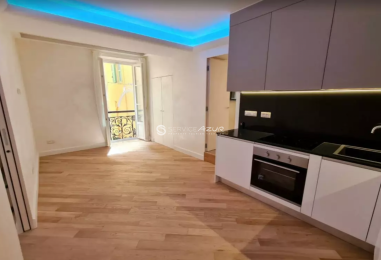
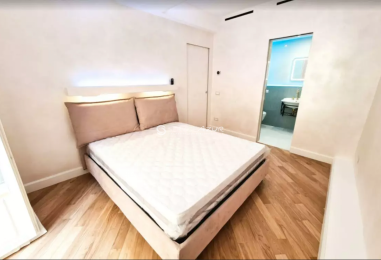
Ref 9060
Beautifully Renovated 3/4-Room Apartment in the Heart of Monaco-Ville
Add to "My selection"
Added
View details
3 400 000 €
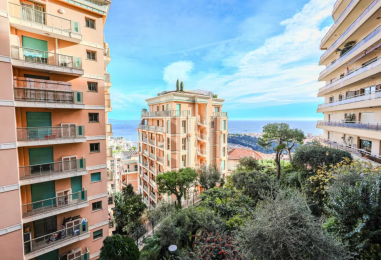
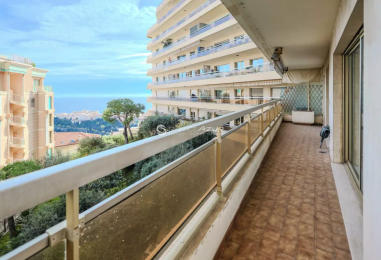
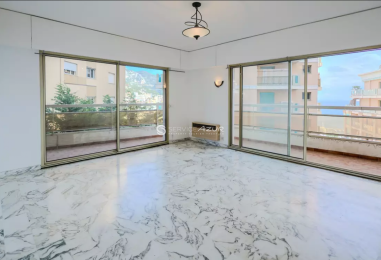
Ref 9052
3-room apartment in Jardin Exotique district of Monaco
Add to "My selection"
Added
View details
4 090 000 €
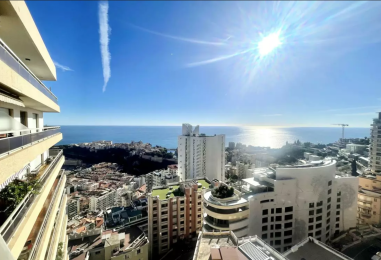
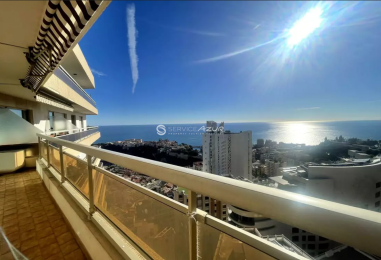
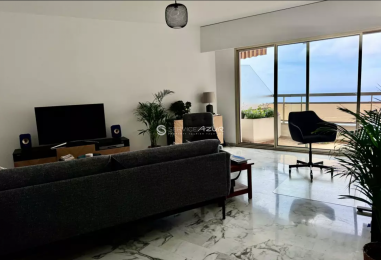
Ref 9029
One-Bedroom Apartment with Sea View in Monaco
Add to "My selection"
Added
View details
5 150 000 €
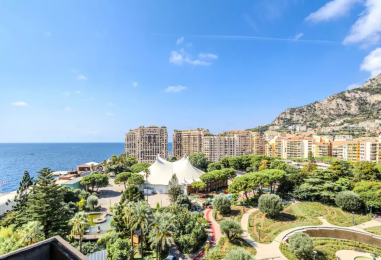
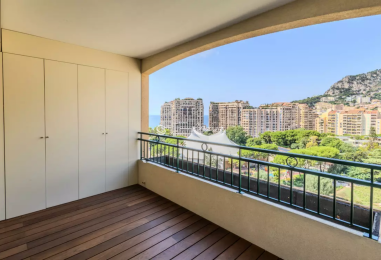
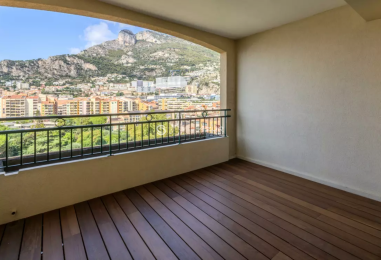
Ref 9011
High-Floor Apartment with Sea Views in Monaco
Add to "My selection"
Added
View details
5 200 000 €
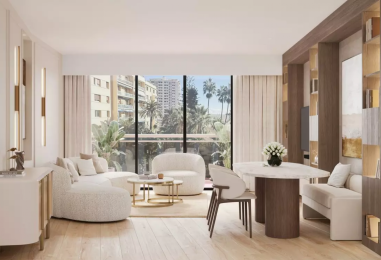
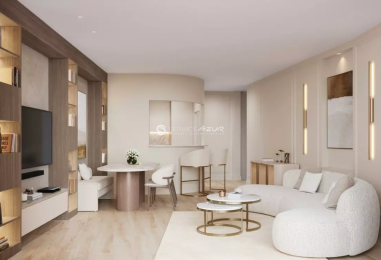
Ref 9020
Apartment for Renovation Just Few Steps to Monte-Carlo
Add to "My selection"
Added
View details
11 000 000 €
Ref 9014
Sea View Apartment in Monaco in Moneghetti district
Add to "My selection"
Added
View details
Buying process
Contact us
Send us your request for a property to buy on the French Riviera by filling out the request form, writing to info@serviceazur.com or calling +33 4 93 29 84 25.
SELECT A PROPERTY
Browse through our selection of over 500 luxury homes and apartments for sale on the Côte d’Azur to find the right property for you. In addition, our sales specialists will be happy to search for you the ideal home among all the real estate offers on the French Riviera.
GO THROUGH A PROPERTY PURCHASE PROCESS
Once you’ve found your dream home, we’ll guide you through the entire buying process, including transaction assistance at notary office.
BENEFIT FROM OUR PROPERTY MANAGEMENT SERVICE
Take advantage of our property management service from repairs, maintenance and renovations to tax declaration and bookkeeping.
Frequently Asked Questions
Can a foreigner buy real estate in France?
What is the process of buying a property in France?
What are property diagnostic reports (DPE, asbestos, lead, etc.)?
How much does your agency charge for a personalized property search?


Contact info
Come to:
56 bis, av de la Lanterne
06200 Nice, France
Call:
+33 4 93 29 84 25
Office hours:
9:00 – 18:00
Nice, France (GMT +2)