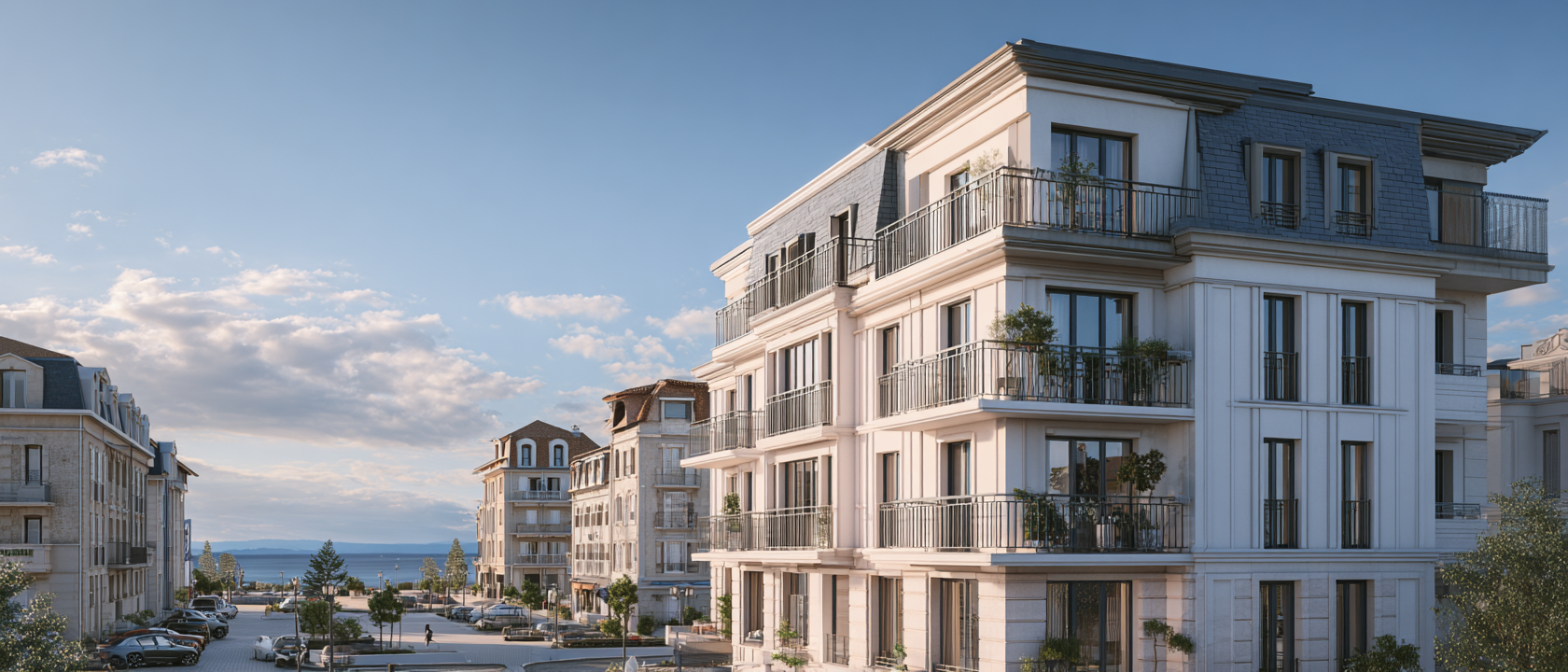
The taxe d’habitation is a local tax that was historically applied to any property occupied by an owner or a tenant as of 1 January.
Since 1 January 2023, the residence tax for a primary residence (résidence principale) has been fully abolished for all taxpayers. It now applies only to certain categories of properties, such as secondary residences (résidences secondaires), unoccupied dwellings and other specific cases.
Who Must Pay the Tax
- If the property is a secondary residence (not your main home) — the tax continues to apply.
- For vacant or temporarily unused dwellings, specific taxes may apply (taxe sur les logements vacants).
- Exemption for primary residences applies regardless of income or assets.
How the Tax Is Calculated
The tax is calculated using the same principles as other local property taxes:
Cadastral rental value (valeur locative cadastrale) × local tax rate = amount due.
Example: Apartment in Antibes (Secondary Residence)
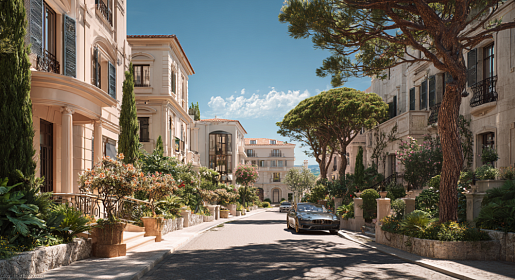
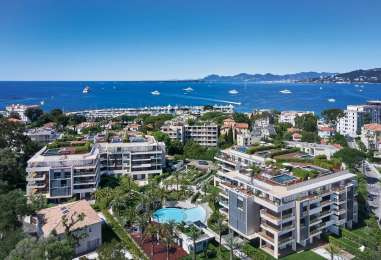
For the owner of a three-room, 80 m² apartment in Antibes, located 100 metres from the sea in a luxury residence, the taxe d’habitation is calculated as follows:
-
Cadastral rental value per m² — €10.42
-
Annual rental value: €10.42 × 80 m² × 12 months = €10,000
-
Taxable base = 60% of €10,000 = €6,000 (for the taxe d’habitation approx. 60% of the valeur locative cadastrale is used)
Then the following local rates apply:
-
Municipal rate — 16.50%
-
Departmental rate — 8.00%
-
Special intercommunal/regional charges — 1.00%
-
Secondary residence surcharge (Antibes applies +60%)
-
(16.50% + 8% + 1%) × 1.6 = 40.8% total rate
Final calculation: €6,000 × 0.408 = €2,448
Key Specificities
-
The taxable base is determined on 1 January of the tax year.
-
Tax rates differ between municipalities and intercommunal authorities.
-
In certain areas — particularly those facing housing shortages — surcharges of up to 60% may apply to secondary residences.
Important to Know
-
The tax for primary residences has been abolished since 1 January 2023.
-
For secondary residences, the tax remains in force and may be increased by local surcharges.
-
The tax is due for the entire year, even if ownership changes after 1 January.
-
Payment deadlines and tax notices are issued in autumn (usually November), depending on the region.
-
If the property's status changes (e.g., from secondary to primary residence), this must be reported to the tax authorities.
Exemptions, Reductions and Surcharges
-
The primary residence is fully exempt from the tax.
-
Rate reductions are rarely granted for secondary residences; however, certain municipalities may apply limited concessions under specific conditions.
-
Surcharges on secondary residences : in high-demand or tourist areas with housing shortages, municipalities may apply a surcharge of up to +60 % on the standard rate.