The property tax (taxe foncière) is an annual tax payable by all owners of real estate located in France, regardless of their nationality or place of residence.
It applies to the owner registered on January 1st of the tax year and covers the entire calendar year, even if the property is sold later.
This tax is allocated to municipalities, departments, and the State, helping to fund roads, infrastructure, and public services.
Types of Property Tax
The French tax authorities distinguish between two types of property tax (taxe foncière):
1. Property tax on built properties
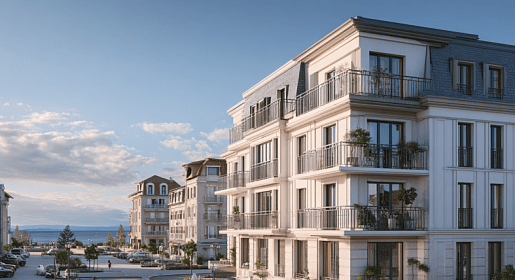
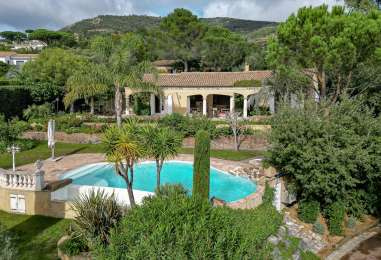
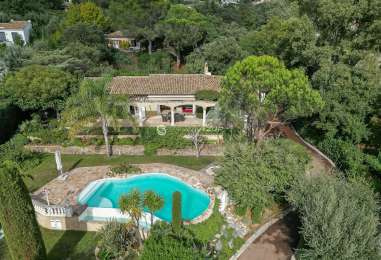
This category includes all buildings, houses, apartments, commercial premises, as well as the land directly associated with them. The tax is paid to the municipality where the property is located.
2. Property tax on undeveloped land
This applies to forests, fields, marshes, pastures, agricultural land, and plots
designated for future construction.
Exemptions and Reductions
Certain categories of properties and owners may benefit from a full or partial exemption from property tax:
Full exemption:
-
Buildings owned by the State or local authorities;
-
Buildings owned by foreign states;
-
Public institutions and places of worship;
-
Buildings used for agricultural purposes.
Exemption based on social criteria:
-
Individuals over 75 years old with low income;
-
Individuals receiving social benefits or disability allowances.
Temporary Exemptions from Property Tax
Certain categories of properties may benefit from a temporary exemption from property tax:
-
New buildings: exempt for 2 years following completion;
-
Social housing (logement social): exemption possible for up to 15 years;
-
High energy-performance housing: in certain municipalities, exemption may apply for up to 5 years;
-
Agricultural and forest land: long-term exemptions (10 to 30 years or more), depending on local authorities’ decisions.
The duration and conditions of these exemptions vary by municipality and should be confirmed with the local tax office.
How is Property Tax Calculated?
The calculation of property tax is relatively straightforward:
Taxable base × rate set by the local authority = total tax amount
The taxable base depends on the cadastral value of the property:
-
For built properties: 50% of the cadastral rental value;
-
For undeveloped land: 80% of the cadastral value.
This cadastral value is determined by the tax authorities, taking into account the type of property, its size, location, and features (sea view, infrastructure, neighborhood prestige, etc.).
Example of Property Tax Estimation: Apartment in Antibes
For the owner of a three-room apartment of 80 m², located in Antibes, 100 meters from the sea, in a high-end residence, the property tax is calculated as follows:
-
Cadastral rental value per m²: €10.42
-
Annual rental value: 10.42 × 80 m² × 12 months = €10,000
-
Taxable base: 50% of €10,000 = €5,000
Then the local tax rates are applied:
-
Municipal tax: 12.53%
-
Departmental tax: 12.42%
-
Special tax: 0.205%
-
Waste collection tax: 9.5%
-
Administrative fees: €60
Total property tax:
(5,000 × (0.1253 + 0.1242 + 0.00205 + 0.095)) + 60 ≈ €1,792.75 per year
The higher the cadastral value and the prestige of the neighborhood, the higher the property tax will be.
Payment Deadlines and Procedures
-
The tax notice (avis d’imposition) is sent at the end of August or the beginning of September.
-
Payment must be made by October 15th (or October 20th if paying online).
-
Late payment incurs a penalty of 10%.
-
In the case of a property sale during the year, the tax is prorated according to the period of ownership.
Practical Tips
1. Before purchasing a property, request a copy of the most recent tax notice from the seller to know the actual tax amount.
2. Check whether you are eligible for reductions or exemptions (age, energy efficiency, new construction).
3. Keep all payment receipts: property tax may be considered when calculating future capital gains tax.
4. If you own multiple properties, the tax is calculated separately for each one.
Learn more → Property Taxes