French mortgage rates are moving higher again. After several months of relative stability, the European Central Bank’s decision to raise its key interest rates in September 2026 marks a change in the financing environment.
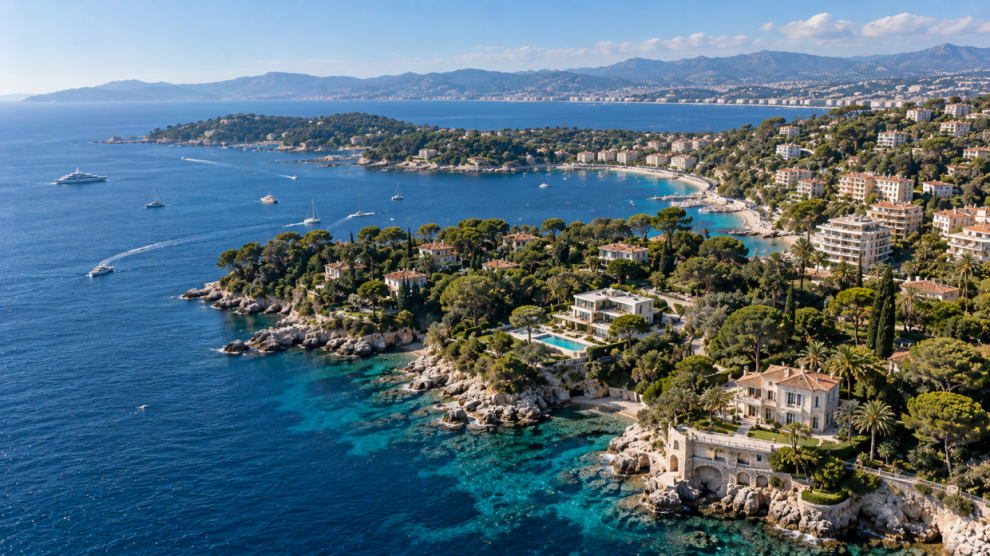
For the French Riviera property market, the immediate question is whether more expensive borrowing could put pressure on prices in Nice, Cannes, Antibes and the most sought-after locations such as Cap d’Antibes and Saint-Jean-Cap-Ferrat.
The answer is more nuanced. Financing is becoming more expensive and buyers are paying closer attention to value. At the same time, high-quality and genuinely scarce properties continue to occupy a distinct position in the Côte d’Azur market.

French mortgage rates are moving higher
On 10 September 2026, the European Central Bank increased its three key interest rates by 0.25 percentage points. The ECB explained its decision by continuing inflationary pressures and an outlook in which inflation is expected to remain above its 2% target for an extended period.
French banks had already begun adjusting their mortgage pricing before the ECB announcement.
In September 2026, average mortgage rates in France are around 3.4% for a 20-year loan, although the conditions available vary considerably depending on the bank and the borrower’s financial profile.
The strongest applicants can still negotiate more attractive terms, particularly when they have stable income, a substantial personal contribution and a strong existing banking relationship.
This is therefore not a return to the severe credit constraints seen in 2023. Banks are still lending, but financing conditions are becoming more demanding and the cost of borrowing is once again an important factor in a property acquisition.
How do higher mortgage rates affect property buyers?
Even a relatively small increase in interest rates can become significant when the amount borrowed is large and the mortgage term is long.
This is particularly relevant on the French Riviera, where financing can involve several hundred thousand euros or, for higher-value acquisitions, more than €1 million.
For a buyer considering an apartment or villa priced between €1 million and €3 million, higher mortgage rates do not necessarily mean abandoning the purchase. They do, however, tend to change the way buyers approach the market.
Purchasers are likely to compare properties more carefully, examine the total cost of acquisition more closely and negotiate more actively when a property has obvious disadvantages or has remained on the market for an extended period.
Higher mortgage rates do not therefore automatically translate into a general decline in property prices. Instead, they can increase the difference between desirable properties offered at a realistic market price and properties whose asking price is difficult to justify.
The impact is not the same across the French Riviera
The effect of higher borrowing costs varies considerably between different segments of the Côte d’Azur property market.
The more financing-dependent segment — particularly apartments and villas in the approximately €700,000 to €3 million range — is naturally more exposed to changes in conventional mortgage rates.
The situation can be different in the prime and ultra-prime markets.
In locations such as Cannes, Cap d’Antibes, Saint-Jean-Cap-Ferrat, Cap-d’Ail, Roquebrune-Cap-Martin and Monaco, international buyers may have substantial liquidity or access to private banking and alternative financing structures.
For these purchasers, a change of a few tenths of a percentage point in a conventional residential mortgage rate may play a smaller role in the overall decision to acquire a property.
It would therefore be premature to interpret rising mortgage rates alone as a signal of a broad decline in French Riviera property prices.
Scarce and high-quality properties remain better positioned
Scarcity remains one of the fundamental drivers of value on the French Riviera.
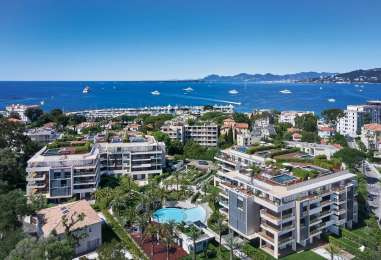
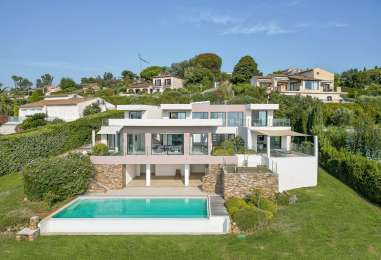
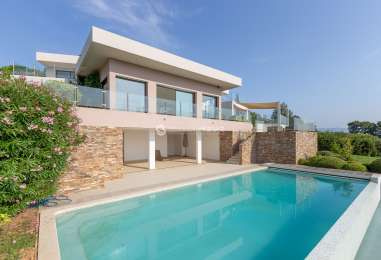
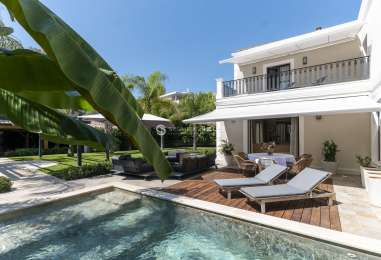
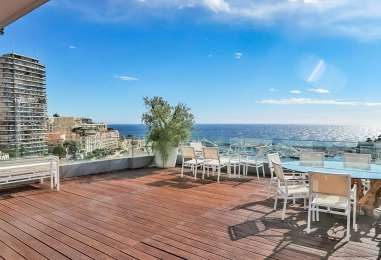
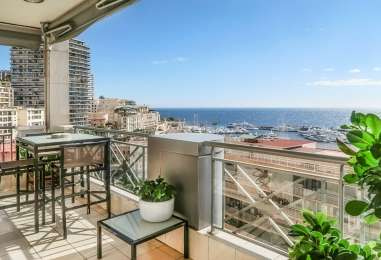
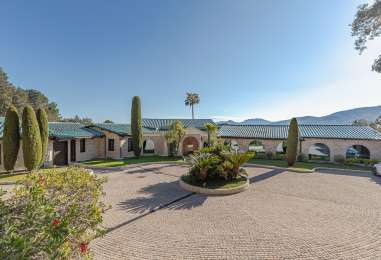
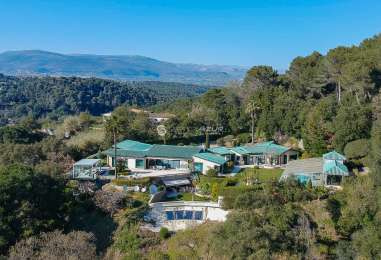
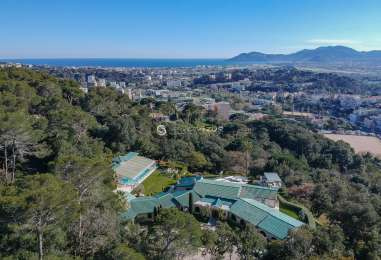
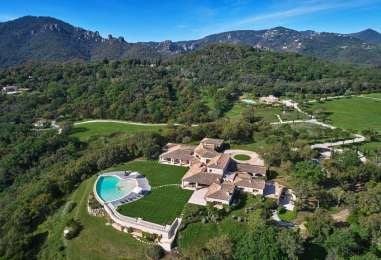
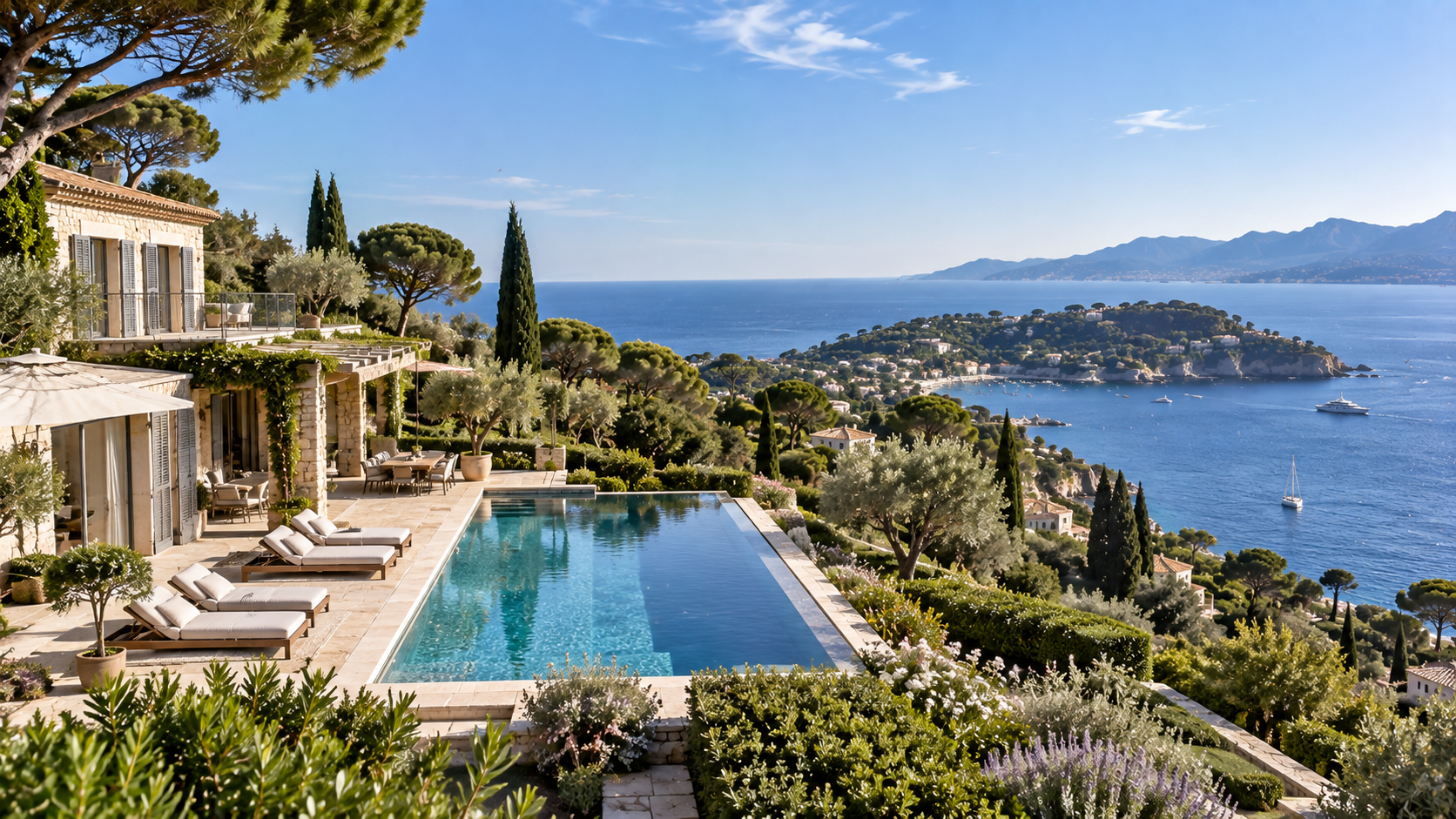
A villa combining sea views, a good plot of land, a swimming pool, convenient access, a garage and a high standard of renovation can be difficult to replace. The same applies to apartments with an exceptional address, a large terrace, panoramic views or a genuine seafront position.
Properties combining these characteristics are generally less directly exposed to changes in conventional borrowing costs because buyers are not simply comparing price per square metre. They are also paying for location, rarity and characteristics that may be difficult to reproduce elsewhere.
By contrast, apartments and villas with a large number of comparable alternatives can become more price-sensitive. Buyers are also likely to pay greater attention to weaknesses such as renovation requirements, lack of parking, noise, poor exposure or low energy efficiency.
In other words, higher interest rates tend to make the French Riviera property market more selective.

Cash buyers gain additional negotiating power
In this environment, buyers who can purchase without relying on mortgage financing may gain an additional advantage.
For a seller, however, being a “cash buyer” is not sufficient on its own. The strength of an offer also depends on the absence of a financing condition, clear proof of funds, the ability to transfer the deposit to the notary promptly and a realistic completion timetable.
When comparing two similar offers, a seller may therefore consider accepting a slightly lower price if one proposal involves significantly less risk of the transaction failing to complete.
This point is particularly relevant for international buyers purchasing property in France.
Having sufficient assets does not necessarily mean that funds can be transferred immediately. French banks and notaries carry out compliance checks relating to the origin of funds, the sending bank and, where applicable, the corporate structure used for the acquisition.
For this reason, international purchasers should ideally prepare the relevant source-of-funds documentation before signing the preliminary sale agreement.
Should buyers wait for mortgage rates to fall?
Some buyers may consider postponing their acquisition in the hope that mortgage rates will decline again.
That strategy also carries uncertainty. Following the ECB’s September decision, there is no guarantee that financing costs will fall rapidly over the coming months.
At the same time, genuinely attractive properties in the most sought-after areas of the French Riviera remain limited in supply.
For a buyer who has found the right property at a realistic market price, waiting several months solely in the hope of saving a few tenths of a percentage point on financing should therefore be considered alongside the possibility that the property itself may no longer be available.
The cost of borrowing matters, but so do location, quality and scarcity.
What do higher rates mean for property sellers?
For sellers, rising mortgage rates do not automatically mean that asking prices should be reduced. They do, however, make accurate market positioning increasingly important.
When a villa or apartment is genuinely rare and correctly valued, the seller may still be in a strong negotiating position.
By contrast, when a property has been on the market for several months, attracts viewings but receives no serious offers, it may be worth reassessing its position against competing properties and recent comparable transactions.
Additional advertising cannot always compensate for a property that is incorrectly positioned in relation to its market.

A more selective French Riviera property market
The French property market is entering autumn 2026 with more expensive financing, but current conditions are very different from a complete credit freeze. Banks continue to finance qualified borrowers, while purchasers remain active.
On the French Riviera, the effect is likely to vary substantially according to the property, price segment and buyer profile.
In sought-after locations such as Nice, Cannes, Antibes, Mougins, Saint-Jean-Cap-Ferrat and the areas close to Monaco, properties combining a strong location with quality and scarcity continue to stand apart from more standard alternatives.
The principal change is a more demanding buyer. Purchasers compare properties carefully, negotiate more actively and are less willing to pay a premium when a property offers no clear advantage over competing homes.
For genuinely scarce properties, rising mortgage rates may therefore affect the negotiating environment more than the fundamental appeal of the property itself.
For more standard properties, accurate valuation and market positioning are becoming increasingly important.
Buying or selling property on the French Riviera?
Property ServiceAzur has been working on the Côte d’Azur since 2003. Our team can help you assess current market conditions, select a property or position your property for sale according to its location, characteristics and market segment.